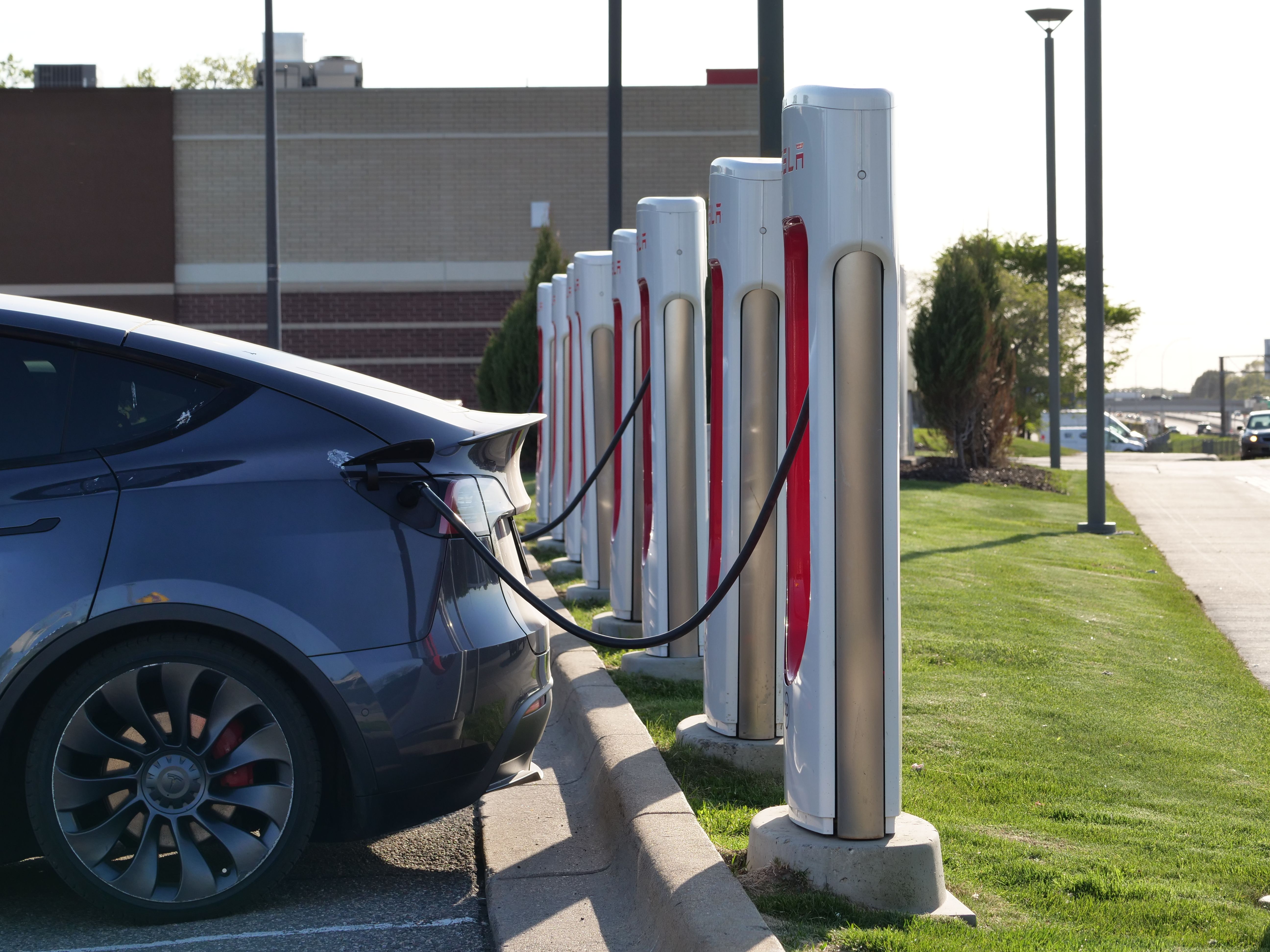
The Last Federal Help for Building EV Charging Expired This Summer. Here Is the New Math.
The federal tax credit that helped pay for EV charging equipment, Section 30C, expired June 30, 2026. For property owners, it was worth up to $100,000 per location. It is now gone, with no replacement and no extension pending. Owners who installed before the deadline locked in real savings. Everyone else now builds charging on a new basis: state and utility programs, the pure return on investment, and the fact that charging demand keeps rising as gas stays expensive. The subsidy is gone. The reason to build has not.
By Keith Reynolds | Publisher & Editor, ChargedUp!
What Expired, and When
The federal Alternative Fuel Vehicle Refueling Property Credit, known by its tax-code section as 30C, expired on June 30, 2026, a sunset set by the 2025 budget law and now past. For businesses, the credit covered 30% of the cost of buying and installing EV charging equipment, up to $100,000 per location, for property in eligible areas. That was a meaningful offset on a charging project, and for about a year it drove a rush of installations by owners trying to beat the deadline. As of July 1, the credit dropped to zero. No extension legislation is pending, and the other federal EV incentives, the purchase credits for the vehicles themselves, expired even earlier, in September 2025.
For property owners weighing charging, this closes a chapter. The last piece of federal financial help for building charging infrastructure is gone. Any analysis still counting on it is out of date, and any vendor still citing it is selling on stale terms. The honest starting point for a charging decision today is that the federal government is no longer contributing to it.
What Actually Changed for the Numbers
Losing a credit worth up to $100,000 per location is not trivial, and it lengthens the payback period on a charging project. A project that got out on a three-year return with the credit may now need four or five years without it. For owners who installed before June 30, the lesson is simply that the timing worked in their favor. For everyone else, the project math has to be rebuilt from the current reality, without the federal thumb on the scale.
That reality is not all headwind. The credit is gone, but the forces that made charging worth installing are still in place, and some have strengthened. The decision now rests on three things that remain true: charging demand is still rising and moving toward the properties where people park, state and utility programs still offer real money, and the operating economics of electric driving still favor it. Each deserves a clear look.
Charging Demand Keeps Moving Toward Your Property
Even with federal purchase credits gone, the economics of driving electric still push demand toward buildings that offer charging. With gasoline elevated, near $3.93 a gallon nationally in mid-2026, charging at home or work runs roughly 5 cents per mile against about 13 cents for a typical gas car, by one 2026 analysis. Over 15,000 miles a year, that is roughly $1,200 in fuel savings. Those savings keep drawing drivers to electric vehicles, and the drivers who buy them, increasingly used and value buyers, often rent or lack a home garage. They charge where they park: at apartments, workplaces, and retail centers. The property that offers charging captures that demand, credit or no credit.
Where the Money Still Is
Federal help for the equipment is gone, but state, utility, and other programs remain, and they vary widely by location. Many utilities still offer make-ready programs that cover the cost of bringing electrical capacity to a charging site, and several states run their own charging incentives, though terms change often and require checking. For a solar-and-storage installation that supports charging, the commercial clean-energy investment credit under a separate section of the tax code remains available for qualifying projects through 2027, which can improve the economics of pairing charging with onsite power. The federal charger subsidy is gone, but the incentive landscape is not empty, and it rewards owners who do the local homework.
The practical move is to rebuild the charging analysis from today's inputs. Start with the local utility's make-ready and rate programs, add any state charging incentive, factor in the pairing with solar and storage where the clean-energy credit still applies, and underwrite the rest on the pure return: the demand captured, the tenants retained, and the parking asset upgraded. That is a real case in many markets. It is simply a different case than it was six weeks ago.
The Bottom Line
The expiration of the Section 30C credit removed the last federal incentive for building EV charging, and owners who moved before June 30 were right to. However, a subsidy is not the same as a reason. The reason to install charging, rising demand concentrated at the properties where people park, and a parking asset made more valuable and stickier for tenants, survives the credit intact. The decision is now cleaner, if less generous: build charging where the local programs and the on-the-ground demand justify it on their own merits, and pair it with onsite power where that pairing still earns a credit. The federal help is gone. The opportunity, for the right property in the right market, is not.
