$54/MWh (IRENA 2026): When Onsite Solar and Storage Beat the Grid
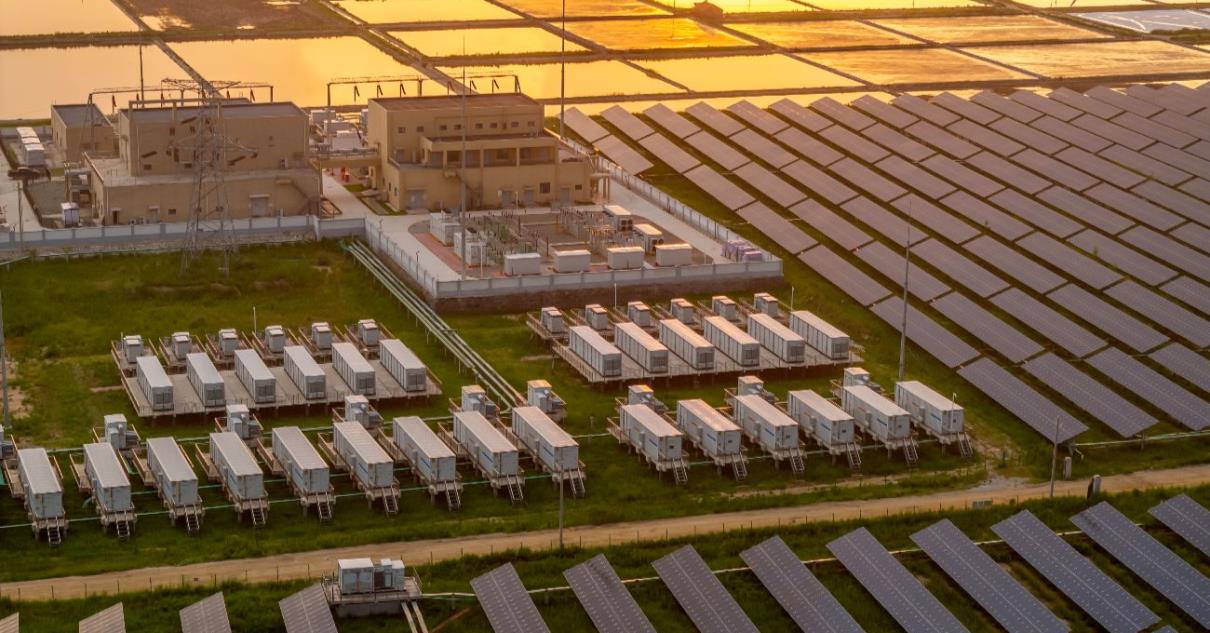
IRENA’s May 2026 analysis finds firm solar paired with storage delivers round‑the‑clock power for $54–$82 per MWh in high‑resource markets—below new gas (> $100/MWh). For commercial properties paying ~13–14¢/kWh ($130–$140/MWh), the investment case shifts from subsidy‑led to rate‑driven: compare your site’s utility tariff to the levelized cost of on‑site generation plus storage, then add VPP income to the return.
The subsidy window narrowed. The economics widened. That’s the pivot. For years, on‑site power was a values argument. In 2026, it’s a price argument—grounded in firm energy costs, not ideals.
By Keith Reynolds | Publisher & Editor, ChargedUp!
The number that matters most in the International Renewable Energy Agency's (IRENA) May 2026 report is not a projection. It is a current market price.
What does IRENA’s 2026 report actually say about firm solar-plus-storage cost?
Short answer: Firm solar with batteries is already competitive. IRENA’s May 6, 2026 report pegs current market prices at $54–$82/MWh in top solar-resource regions. New gas exceeds $100/MWh globally; new coal in China runs ~$70–$85/MWh. Battery costs are down 93% since 2010; solar installed costs down 87% over the same period.
2026 firm solar + storage: $54–$82/MWh (high‑resource markets)
New gas generation: > $100/MWh
New coal (China): ~$70–$85/MWh
Battery cost decline since 2010: 93%; solar installed cost decline: 87%
Why does this change the investment math for commercial real estate?
Because grid power is already more expensive than firm on‑site power in many places. U.S. commercial electricity averages ~13–14¢/kWh (EIA‑cited reporting), equal to ~$130–$140/MWh. If your levelized on‑site cost is $54–$82/MWh—and you can capture demand‑charge relief and VPP revenue—the payback crosses from ‘someday’ to ‘this cycle.’
Translation: stop arguing incentives; start comparing tariffs vs. on‑site LCOE and revenue stacking.
Are the cost curves still diverging?
Yes. IRENA projects another ~30% cost drop by 2030 and ~40% by 2035 for firm solar+storage, with best sites falling below $50/MWh. Meanwhile, retail rates and demand charges have been rising in many markets.
2024: U.S. commercial solar: 2,118 MW installed (record; +8% YoY)
2025: solar + storage = 79% of all new U.S. capacity
EIA projects: ~70 GW of new U.S. capacity in 2026, led by solar
Distributed storage: ~4.8 GW in 2024; projected ~14.8 GW in 2026
NextEra Energy Resources: 1.3 GW battery contracts in Q1 2026; targeting 43 GW by 2032
Georgia Power: 28 large‑load projects (11 GW) under contract; Q1 capex rising YoY
Storage as a multi‑purpose capital asset: how does revenue stacking work?
First job: cut peak demand and harden the site. Second job: enroll in a VPP or demand‑response program to earn dispatch revenue without changing capex.
Texas: first battery‑only VPP in early 2026 via Solrite Energy + sonnen aggregates ~3,000 assets (~1 GW equivalent).
New York’s ConnectedSolutions: school buses can earn ~${12,000} per summer by enabling grid dispatch from their batteries.
Program map: The Clean Energy States Alliance VPP tracker lists active programs across a dozen+ states.
For commercial real estate, this is NOI protection plus ancillary income—without a second capital raise.
What’s the three‑step capital plan?
Compare tariffs vs. on‑site LCOE: Use your actual tariff and interval data; validate the case without incentives first.
Right‑size storage for demand and resilience: Then layer expected VPP/DR revenue to sharpen the IRR.
Decide the mix: Optimize solar production, storage dispatch, and program income for a payback that clears your hurdle at today’s financing costs.
Related: The Energy‑Equity Connection white paper at ChargedUpPro extends this to the portfolio level: distributed energy is a financial equity strategy, not merely an operational choice.
IRENA's data confirms what the Texas VPP programs, the California rate environment, and the commercial solar installation record have been demonstrating for 24 months: at current and projected cost levels, on-site generation and storage are not ESG investments. They are infrastructure investments with measurable economic returns that improve as utility rates rise.
Key data points (for quick reference)
IRENA (May 2026): firm solar+storage $54–$82/MWh (top markets)
New gas: > $100/MWh; new coal in China: ~$70–$85/MWh
Battery costs since 2010: −93%; solar installed costs: −87%
Average U.S. commercial power: ~13–14¢/kWh ($130–$140/MWh)
Sources
https://www.pv-magazine.com/2026/05/06/firm-solar-and-storage-costs-fall-to-54-mwh-says-irena/
https://www.ess-news.com/2026/05/07/firm-solar-and-storage-costs-fall-to-74-mwh-says-irena/
https://www.ess-news.com/2026/02/12/texas-lands-its-first-battery-only-virtual-power-plant/
ChargedUpPro.com | Real News. Real Analysis. Real Intelligence. Real People.
A publication of PublioSTUDIO | June 17, 2026
