The Used Electric Car Is Quietly Winning. Where Do Those Drivers Plug In?
By Keith Reynolds | Publisher & Editor, ChargedUp!
Where they rent and where they work. Used electric cars are holding their value far better than the rest of the used-car market, largely because higher gas prices make them cheaper to run. But used-EV buyers often live in apartments without a garage, so they charge where they park during the day and overnight. For owners of apartments, workplaces, and retail centers, that is the real signal: charging demand is moving to your parking lot, even as new-EV sales fall.
Two Markets Moving in Opposite Directions
The electric car market split into two stories in June, and they point opposite ways. New electric car sales fell sharply, down about 28% from a year earlier, after the federal purchase incentive ended, according to Cox Automotive. Used electric cars did the reverse. Their values rose about 12% to 14% over the same year, while the used-car market as a whole rose less than 2%. A used electric car now holds its value far better than almost anything else on a dealer's lot.
The reason is the cost of gasoline. With pump prices elevated by the conflict in the Middle East, industry analysts credit fuel costs for much of the gap. A used electric car has become an affordable way for a household to escape a volatile gas bill. New electric cars still cost around $56,000 on average and lean on discounts to sell. Used ones average closer to $38,000 and sell themselves on running costs. Same technology, two very different buyers.
Who Buys Used, and Where They Charge
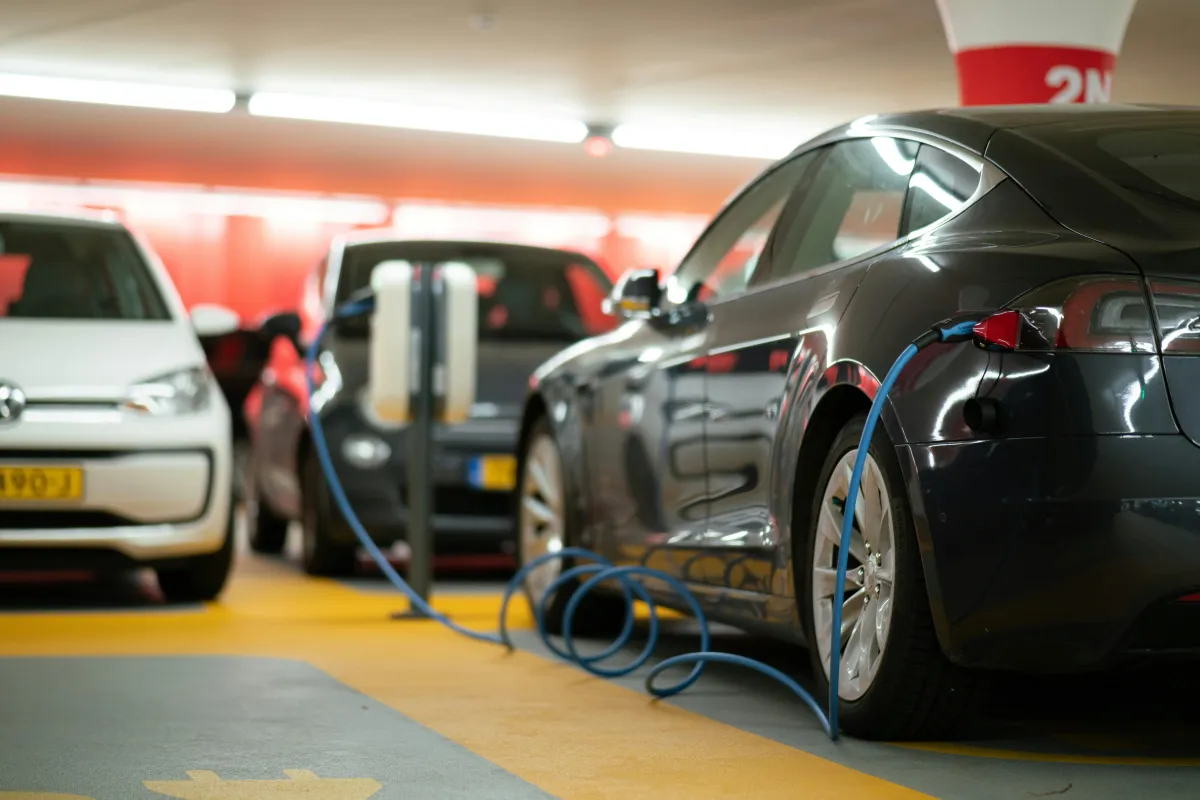
This is where it touches real estate. A $56,000 new electric car tends to go to a household with a house and a garage, where charging is a private matter. A $38,000 used one increasingly goes to a renter, a two-car suburban family, or a budget-minded buyer, and many of them have no garage to charge in. Those drivers charge where they can: in the apartment lot, at the office, at the store where they spend an hour. As the used market grows and the new market shrinks, the charging demand a property actually sees will come more and more from these buyers.
The practical mistake would be to read the 28% drop in new sales as a reason to shelve a charging project. The number that matters for an apartment or workplace is the growing used market, not the shrinking new one, because the used buyers are the ones who need to plug in away from home.
What to Build For
Three simple guidelines follow. Size the charging for a mix of ordinary electric cars and plug-in hybrids rather than premium new models, which usually means more everyday chargers rather than a few fast ones. Use smart charging that spreads the load across the day and overnight, because that can sharply cut the peak demand a property is billed for and often avoids an expensive electrical upgrade. And treat charging as a way to attract and keep tenants, priced against the used-car market, because that is where the residents plugging in are actually shopping.
One Caution
A used electric car bought mainly to dodge high gas prices is a hedge that pays off only while gas stays expensive. If fuel prices fall, some of that urgency eases. But the larger current is steadier: a wave of used electric cars is arriving as leased vehicles come back to market over the next few years, and those cars will need somewhere to charge for a long time. The property owner who builds for that wave now is meeting demand that is still growing while the headlines focus on the new-car slump.
