EV Incentives Are Gone. What Happens Now?
On September 30th, the federal $7,500 EV tax credit quietly expired—and the ripple effects are already resonating through automakers, buyers, and the charging industry. For CPOs, site hosts, and property...

On September 30th, the federal $7,500 EV tax credit quietly expired—and the ripple effects are already resonating through automakers, buyers, and the charging industry. For CPOs, site hosts, and property...

Following expiration of federal tax credits last month, Colorado's expansion of point-of-sale rebates via its Vehicle Exchange Colorado (VXC) program are a a targeted lift for income-qualified buyers who trad...

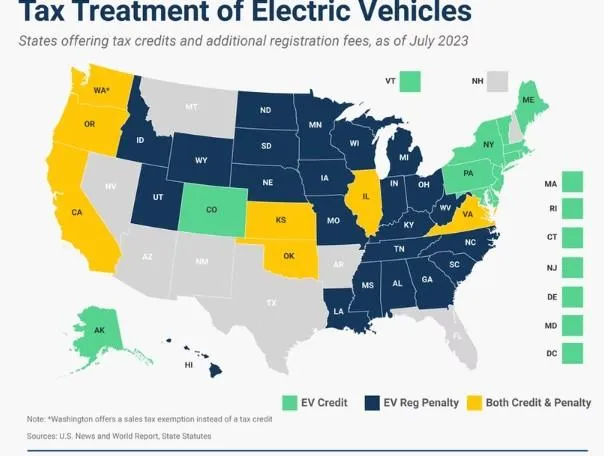
The Trump administration is considering a national road tax for EVs to offset declining gas tax revenue. This post examines how such fees could impact EV adoption, the arguments for and against the proposal, and what it means for the future of transportation funding.

As electric vehicles (EVs) continue to grow in popularity, so does the need for efficient and reliable charging solutions. One of the factors that can influence an EV’s charging experience is the temperature.

With electric vehicles (EVs) growing in popularity, more buyers are venturing into the used market as a way to enter the world of electric mobility. However, buying a used EV is not quite the same as buying a traditional internal combustion engine (ICE) vehicle

With the expiration of federal tax credits for electric vehicles (EVs) looming on September 30, 2025, automakers are going all-in on enticing potential buyers with rock-bottom pricing and attractive lease offers. However, despite these aggressive efforts, U.S. EV sales have faced a significant slump.