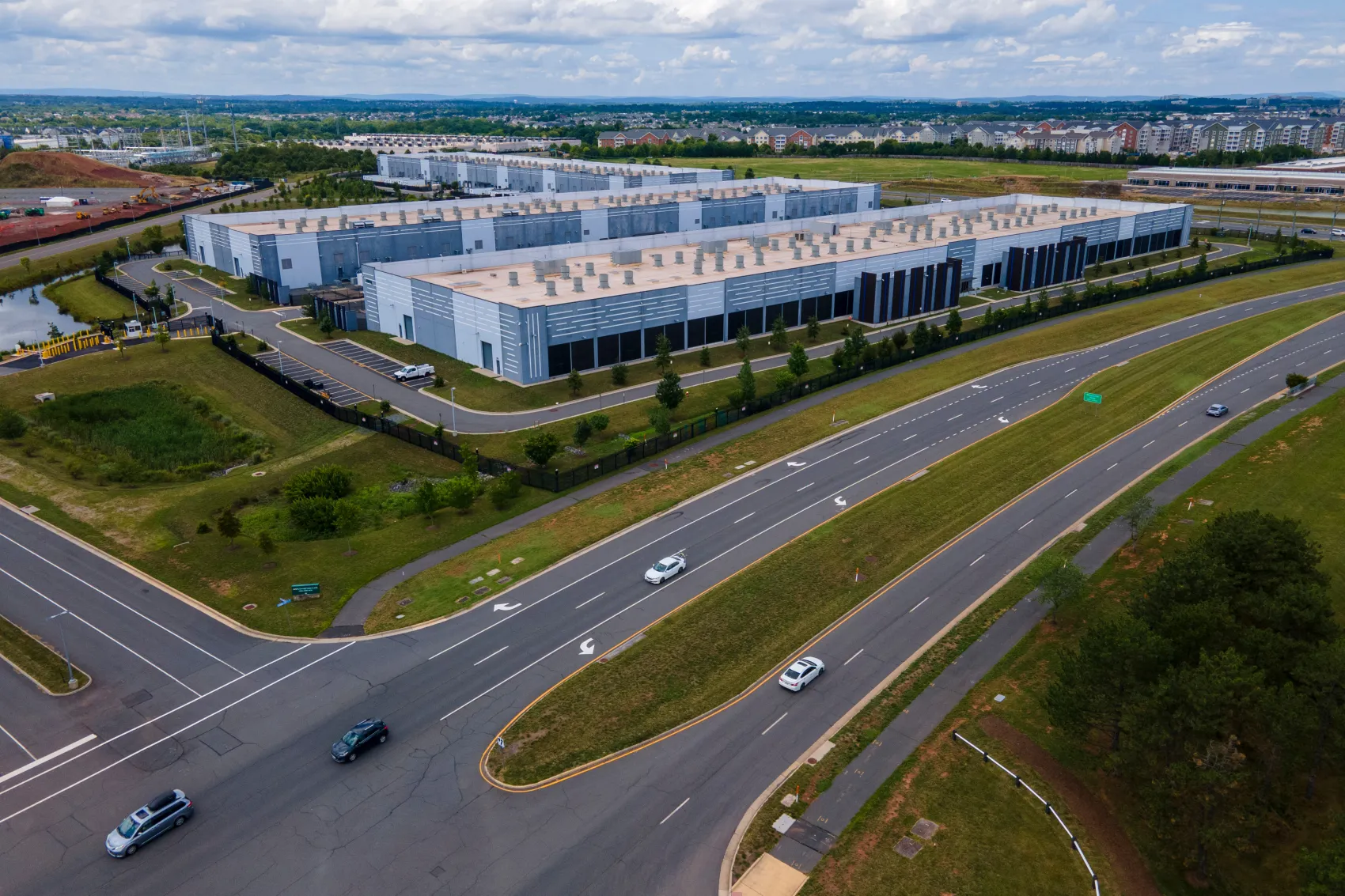
The Behind-the-Meter Trap: Why Onsite Gas Generation Raises Everyone's Energy Bills
Short answer: Behind-the-meter gas data centers raise everyone else’s bills because they buy fuel from the open gas market, bidding up gas prices and—through gas’s role in setting the marginal power price—regional electricity prices. They also sit outside electric-utility rate regulation, so large-load tariffs designed to protect ratepayers don’t apply. The meter location shields the facility; the fuel choice decides who pays.
By Keith Reynolds | Publisher & Editor, ChargedUp!
What is a behind-the-meter gas data center?
It’s a data center that installs onsite gas-fired generation—often multiple reciprocating engines or turbines—to self-supply power rather than rely on the electric utility for most hours. Instead of an electric interconnection setting terms, the anchor contract is with a gas supplier and, where applicable, a pipeline for firm transport.
How big is the planned buildout?
Analysts at Energy Innovation, citing BloombergNEF, report ~100 GW of onsite gas capacity planned to power U.S. data centers—about ~18% of today’s total U.S. gas power-plant capacity. It’s being pursued in part to sidestep multi‑year electric interconnection queues.
Why do behind-the-meter gas data centers raise electricity and gas prices?
Because the price signal runs through the commodity market and then the power market:
More gas demand → higher gas price: Large, steady baseload purchases compete with utilities, manufacturers, and buildings that also buy gas.
Gas sets the marginal power price: Gas plants set the clearing price in most hours across many U.S. markets. When gas costs rise, wholesale electricity prices rise.
Result: Non-participating customers—residential and commercial—pay more for both gas and electricity.
Natural gas fuels roughly ~43% of U.S. electricity generation (EIA, recent years), so a sustained uptick in gas prices transmits quickly into bills across the grid.
Where is this already happening?
Early patterns are visible in markets with heavy AI buildouts. Developers in Texas, Pennsylvania, and New Mexico are signing long‑term bulk gas contracts. A single site in Richland Parish, Louisiana is projected at ~2.2 GW—about twice New Orleans’ summer peak. Near Cheyenne, Wyoming, an even larger project is planned. Harvard’s Belfer Center notes operators are resorting to multiple reciprocating engines as stopgaps—amplifying fuel competition and local emissions.
What’s the regulatory gap—and why does jurisdiction matter?
State regulators can require utilities to place large electric loads on tariffs that recover full costs and fund upgrades. That tool applies when a data center primarily takes service from the utility. It generally does not apply when the facility self-supplies with gas behind the meter. In that case, the key contract is with a gas marketer or pipeline, outside the reach of electric-rate design meant to protect other customers.
Does onsite solar + storage have the same effect?
No. Solar and batteries draw on a fuel with no commodity-market competition and no marginal price-setting role. They lower a building’s costs without bidding up someone else’s bill. Two behind‑the‑meter projects that look identical on paper can have opposite system impacts purely because one burns gas and the other doesn’t.
This is the refinement the Energy-Equity Connection white paper at ChargedUpPro.com has argued throughout the year: distributed energy is the answer to grid constraint and rate volatility, but distributed energy is not a single thing. The fuel source and the regulatory structure determine whether a project protects the building and the community or protects the building at the community's expense.
The meter location protects the building. The fuel choice determines who pays for it.
Frequently Asked Questions
Why do behind-the-meter gas data centers raise electricity bills for others?
They add large, steady demand to the gas market, which raises gas prices. Because gas plants set the marginal electricity price in many hours, higher gas prices lift wholesale power prices. Those increases flow through to retail bills for households and businesses on the same grid.
How is onsite gas different from onsite solar and storage?
Solar and batteries rely on a fuel with no commodity price and no role in setting wholesale clearing prices, so they reduce a building’s costs without raising others’ bills. Onsite gas lowers the host’s cost while pushing up regional gas and electricity prices.
Do long-term gas contracts prevent broader price impacts?
No. Long-term contracts can stabilize costs for the buyer but still represent demand on the larger market. That demand contributes to higher market prices paid by utilities, manufacturers, and other gas and power customers.
Will hydrogen blending or carbon capture change the market effect?
Not in the near term. Limited low-carbon hydrogen supply and added costs for carbon capture do not eliminate the core issue: competing for a constrained fuel can still raise regional prices. Environmental impacts may improve, but the commodity-competition dynamic remains.
What can regulators do to protect ratepayers from off-tariff self-supply?
Tools include strengthening large-load tariffs for any grid reliance, requiring contributions to local upgrades via development agreements, improving transparency on gas deliverability and basis risk, and coordinating with pipeline regulators to avoid shifting costs to other customers.
